



Regional consultation on the organization of school transport in municipalities
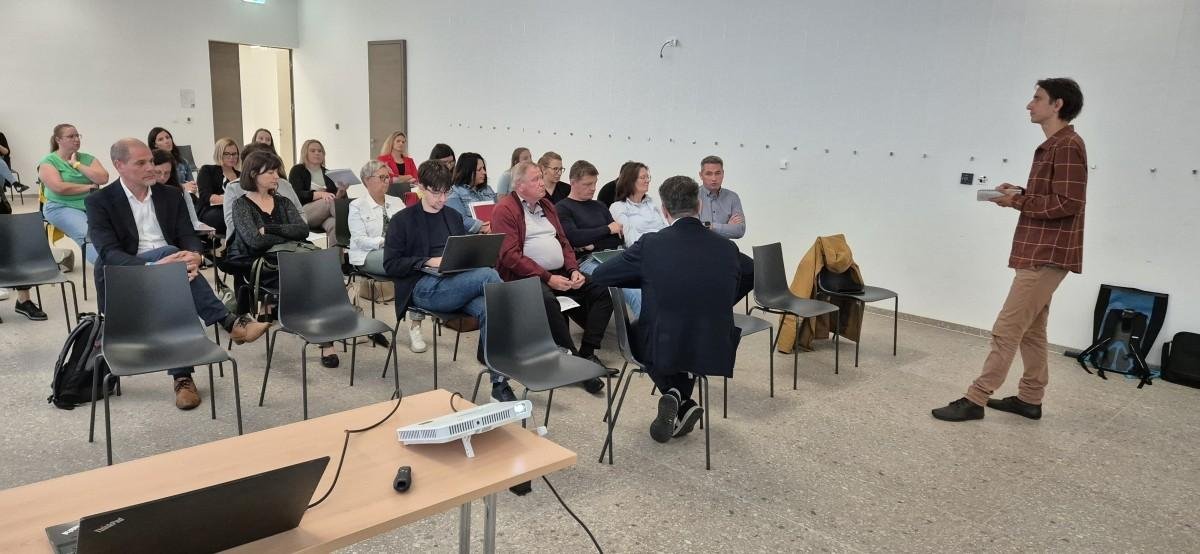
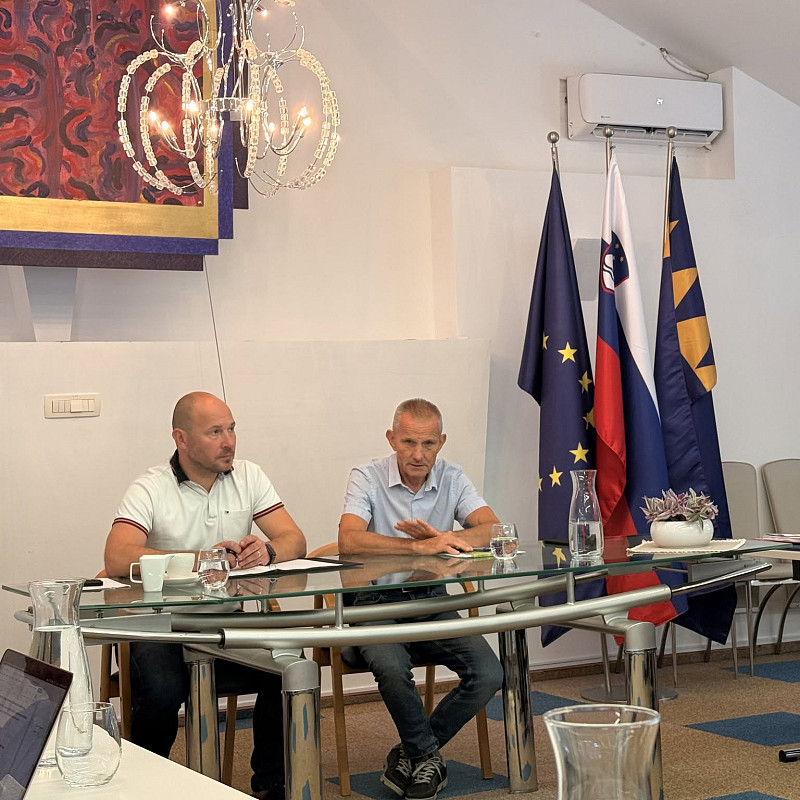
Due to the higher costs incurred by municipalities, systemic changes in the organization of intercity public passenger transport (PPP) in Slovenia, and the difficulties of PPP concessionaires in ensuring contractual obligations, municipalities are facing problems in providing legally mandatory transport of children to primary schools. RRA Koroška, which acts as a regional mobility center and is also involved in several elaborations of municipal integrated transport strategies (OCPS), tried to shed light on the topic from different angles at a regional consultation. This was held in mid-September, 12. 9. 2024, in Vuzenica. The topical topic attracted almost 30 participants, mainly from municipal administrations, including several current mayors, the PPP Management Company, OCPS manufacturers and media representatives.
After the opening greetings of the Mayor of Vuzenica, Franjo Golob, the starting points for the discussion were given by MSc. Sebastian Toplak, University of Maribor and also Mayor of the Municipality of Podlehnik, and MSc. Peter Zajc, RRA Koroška. Their presentations are attached at the bottom of the news. Among other things, Toplak pointed out that school transport contributes to better traffic safety, but at the same time, due to frequent "door-to-door" transport, it contributes to reducing children's physical activity. With the increasing costs that municipalities have in their budgets, he made a comparison that rural municipalities are on average more burdened. They contribute an average of 5-7% of the municipal budget for transport, while urban municipalities only contribute around 1% on average. Zajc emphasized that transport accessibility should be considered within the framework of a broader concept of accessibility, which also includes accessibility to broadband networks and accessibility to services. An overview of the costs incurred by Koroška municipalities in providing transport has shown that municipalities allocate different amounts of funds to this. The ratio between the municipality that allocates the most and the one that allocates the least, calculated per citizen of the municipality, is around 1:4.
The lively discussion showed that municipalities approach the issue differently. A more coordinated approach by municipalities to the issue, including in the form of joint public procurement (e.g. for the transport of children with special needs) and in communication with state institutions, could achieve better results.
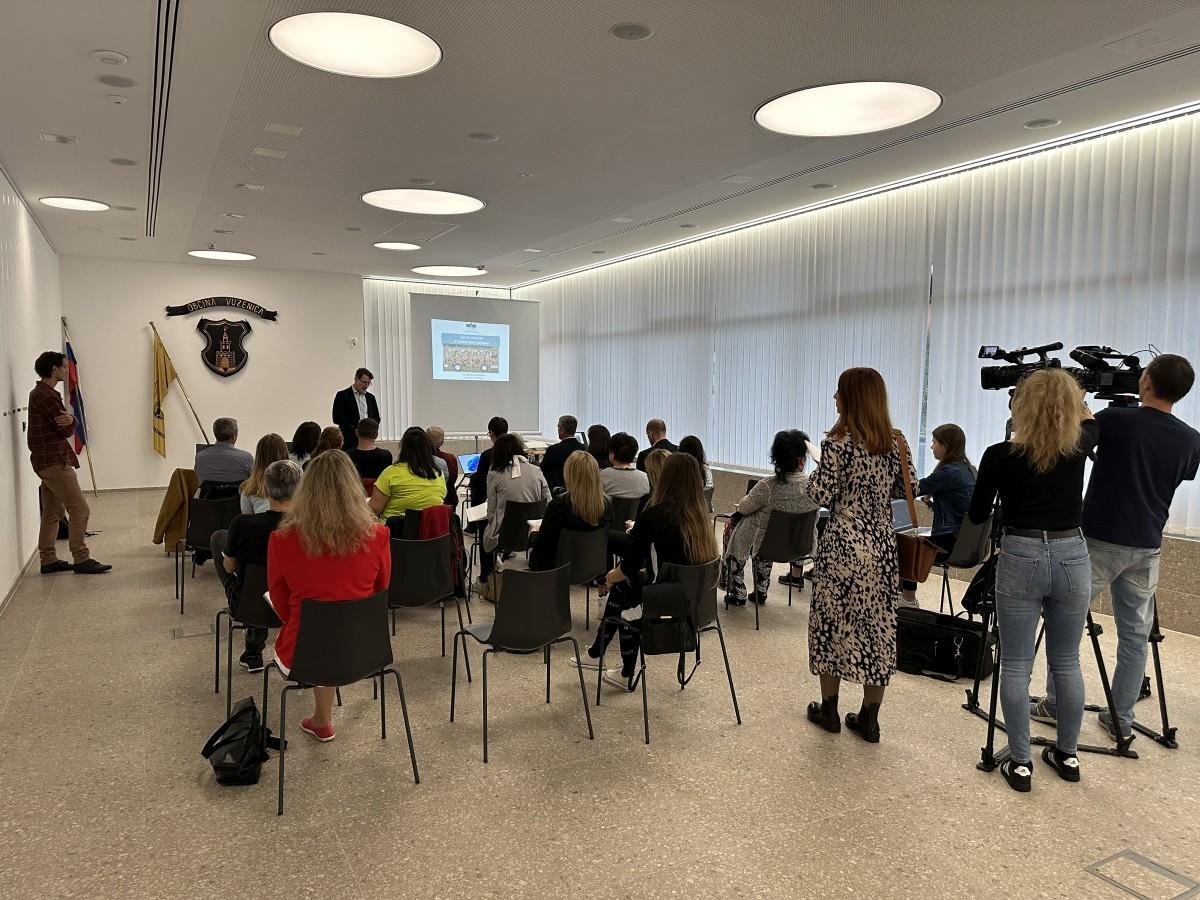
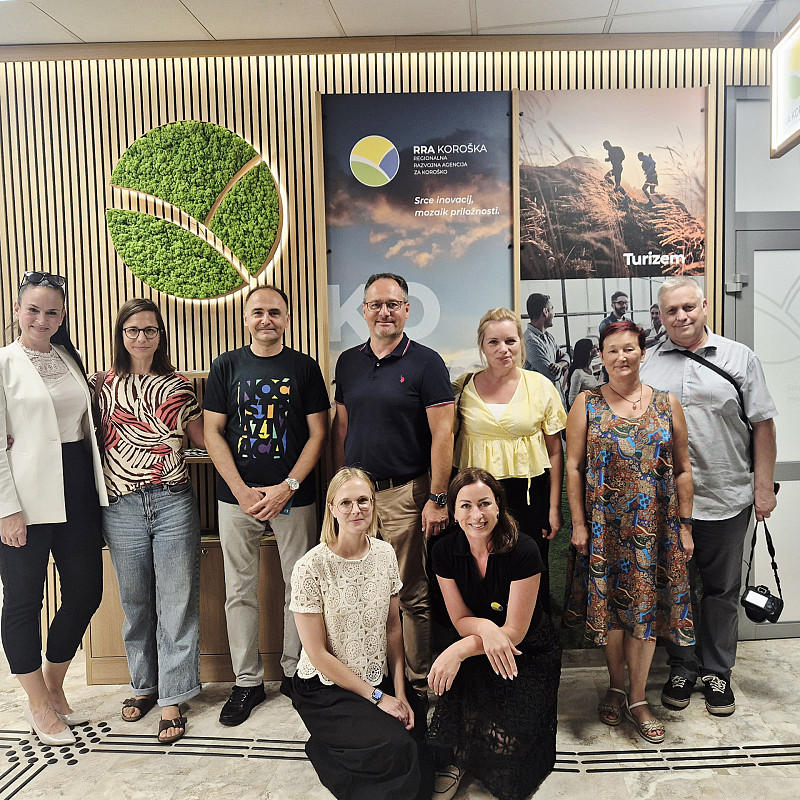
Photo: Archive of the RRA Koroška
Always up to date – check current news
News



Koroška e-news in your inbox!