



How can local cooperation help address energy and transport poverty?

Stricter environmental policies, which are necessary to decarbonize the transport and energy sectors and address climate change, may have negative social effects on already vulnerable groups of the population, who, due to low incomes combined with other vulnerabilities, will not be able to afford the "green transition" and may fall (even further) into energy or transport poverty.
Energy and transport poverty may seem like separate issues at first glance, but they are to some extent quite interconnected. Given the limited capacity to alleviate both types of poverty at the local level, it makes sense to connect actors who are in direct contact with residents.
Challenges of information and accessibility to assistance for energy poverty
Energy poverty means that a household cannot afford enough energy for basic needs such as heating, hot water, cooking, cooling and lighting due to low income or poor energy efficiency at home. According to the Statistical Office of the Republic of Slovenia, 7.4% of households (62,000 households) or 5.2% of the population (109,000 people) were energy poor in 2023. In the revised National Energy and Climate Plan, Slovenia committed to reducing the share of energy poor households to between 3.8 and 4.6% by 2030 through various measures.
Katjuša Šavc from the environmental organization Focus: “In Slovenia, energy-poor households have the opportunity to use the Eco Fund to finance measures such as replacing stoves, insulating walls, replacing windows, and the like. The problem is that those who really need these measures often do not even know about them or do not have the capacity to apply. Social work centers (CSDs) can play an important role here. An example of good practice is the cooperation between CSDs and the network of Eco Fund coordinators, who provide support to energy-poor households in completing project documentation.
Coordinators are also increasingly being approached by informal associations, such as fire brigades and other non-governmental organisations, who perceive a problem in the field. Of course, the situation varies from municipality to municipality. In certain municipalities, it is more difficult to establish cooperation with CSDs.”
Alleviating transport poverty will also require systemic support
What is transport poverty? Transport poverty is primarily experienced by those residents who do not have adequate public transport in their place of residence, and at the same time do not have or cannot use a private car or find it difficult to afford one. This makes it difficult or impossible for them to access key services or activities. In the narrowest sense, there are around 60,000 transport poor people in Slovenia, but regional differences should be highlighted. The latter stem from both the different public transport offers and different average incomes.
In 2023, the highest share of the transport poor was in the Pomurska statistical region (7.5%), which, in addition to the poorer public transport offer, is due to a higher share of residents below the poverty risk threshold. If we consider only the accessibility of public transport, this is the biggest problem in the Jugovzhodna Slovenija region and in the Pomurska, Koroška and Posavje regions.
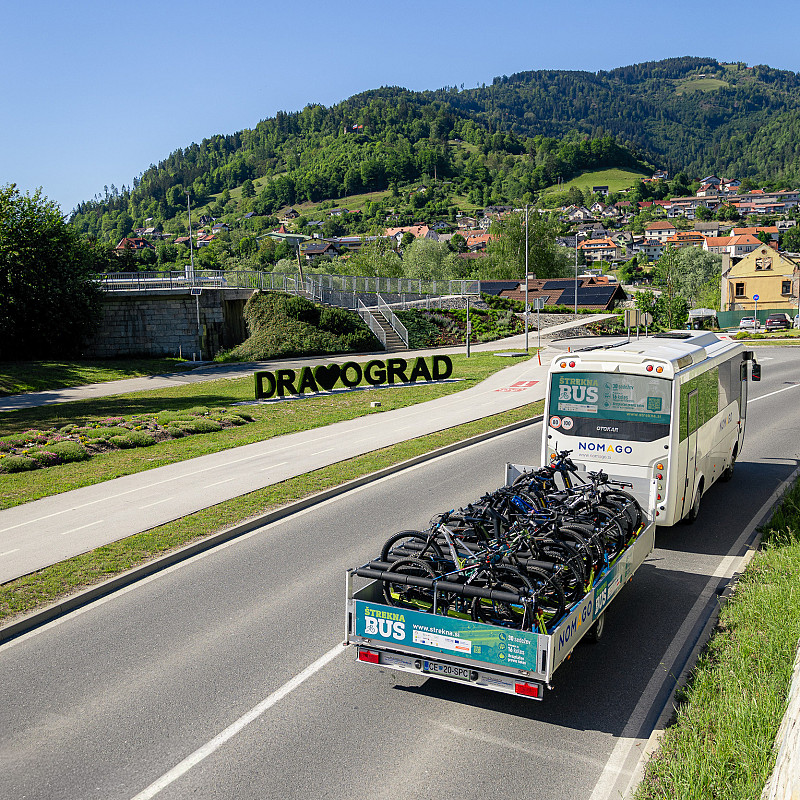
Marjeta Benčina from the environmental organization Focus said: “Koroška is a region where access to public transport is affordable only for a small proportion of the population. This particularly negatively affects rural areas, especially vulnerable groups without access to a car, such as the elderly and the disabled. Well-connected local communities in Koroška have already established effective on-call transport services that improve the mobility of residents, which are implemented in various ways by volunteers, and vehicles are generally provided by municipalities. However, the demand for these services exceeds the available capacity, which is why systemic support is necessary, as not all needs can be covered by volunteering alone.”
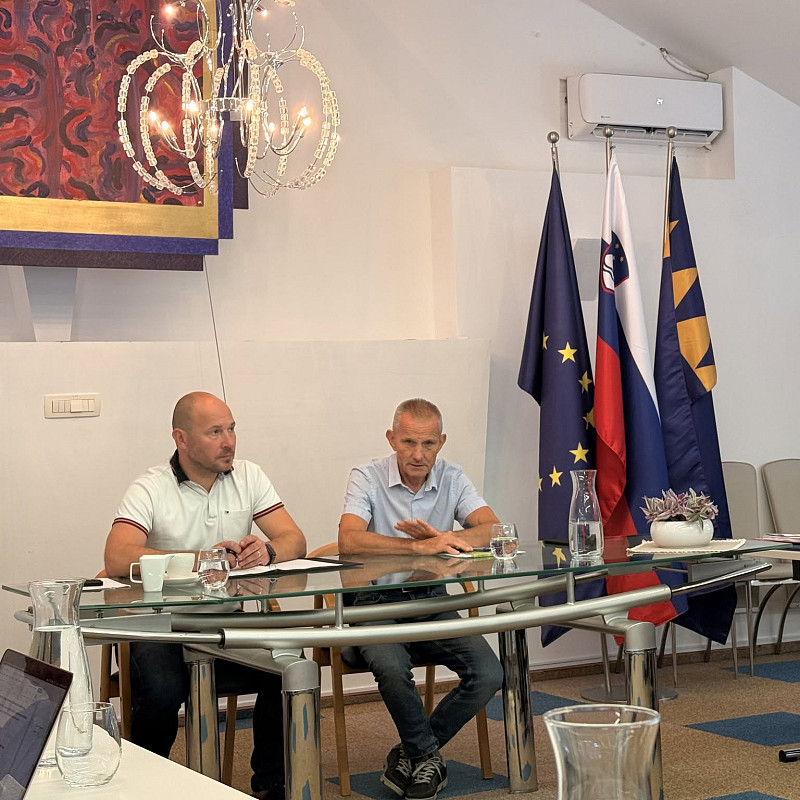
Uroš Rozman from the Regional Development Agency for the Koroška Region pointed out in his opening remarks: "For a long time, the agency has been trying to systematically, in various ways and with various projects, address the issue of transport and wider accessibility - both within the region and outside the region. Among other things, we have established a regional mobility center within the agency, we are participating in the establishment of a national cycling network, we are promoting the establishment of new public passenger transport lines, and we are planning a regional bicycle rental system..."
The environmental organization Focus will also compile the key highlights of the event in the form of recommendations for the Ministry of the Environment, Climate and Energy, which is currently preparing a plan for drawing funds from the European Social Climate Fund, which will, among other things, define various measures for vulnerable households in the areas of both energy and transport poverty. National social climate plans must be prepared by the end of June 2025.
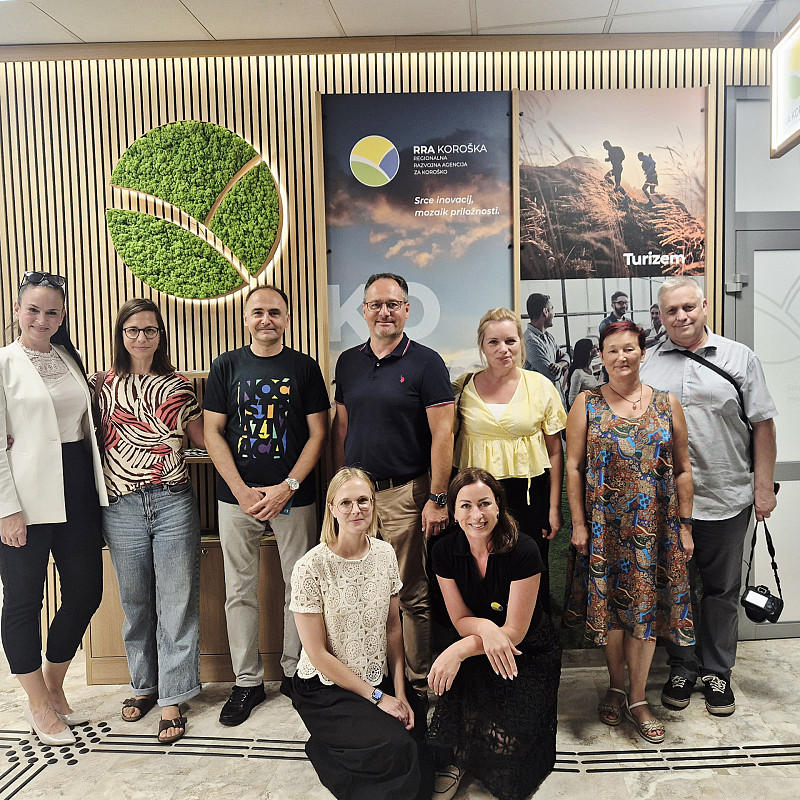
The meeting was organized within the framework of the ZENPRE project – Reducing energy and transport poverty with a focus on the elderly and women, which is financed by the Eco Fund, the Slovenian Environmental Public Fund and the Ministry of the Environment, Climate and Energy. The purpose of the project is to raise awareness, educate and empower members of the affected groups to reduce both poverty levels through behavioral change through training, based on better knowledge and understanding of the issues and needs of vulnerable groups in the field of mobility and energy. At the same time, the purpose of the project is to use the experience of the project in advocacy and networking activities, with the aim of systematically regulating the field and raising awareness of the general public about the issues and encouraging behavioral change in the areas of personal mobility and energy use. The project is implemented by Focus with partners, and an analysis of the connection between transport and energy poverty is also being prepared.
Always up to date – check current news
News




Koroška e-news in your inbox!